The Last Garden of Khidr
Saudi Art Council, 21,39 Jeddah 2020
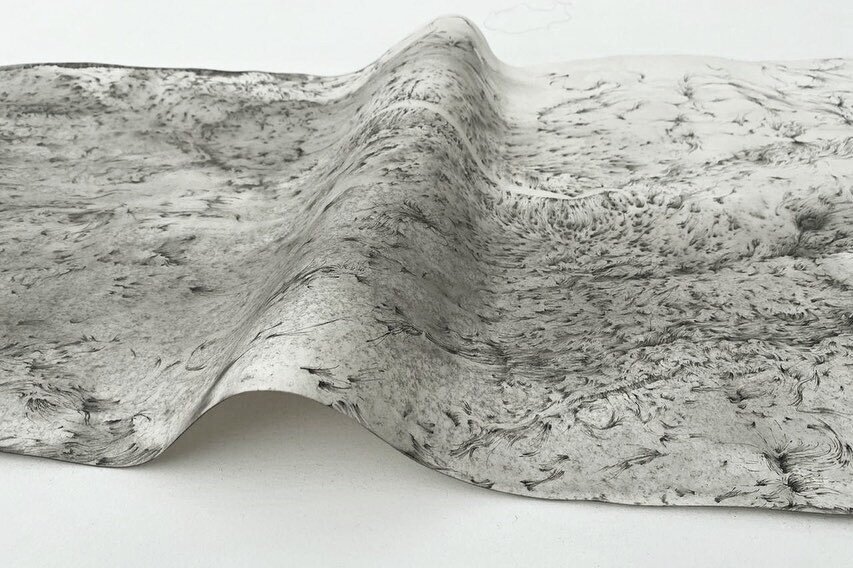
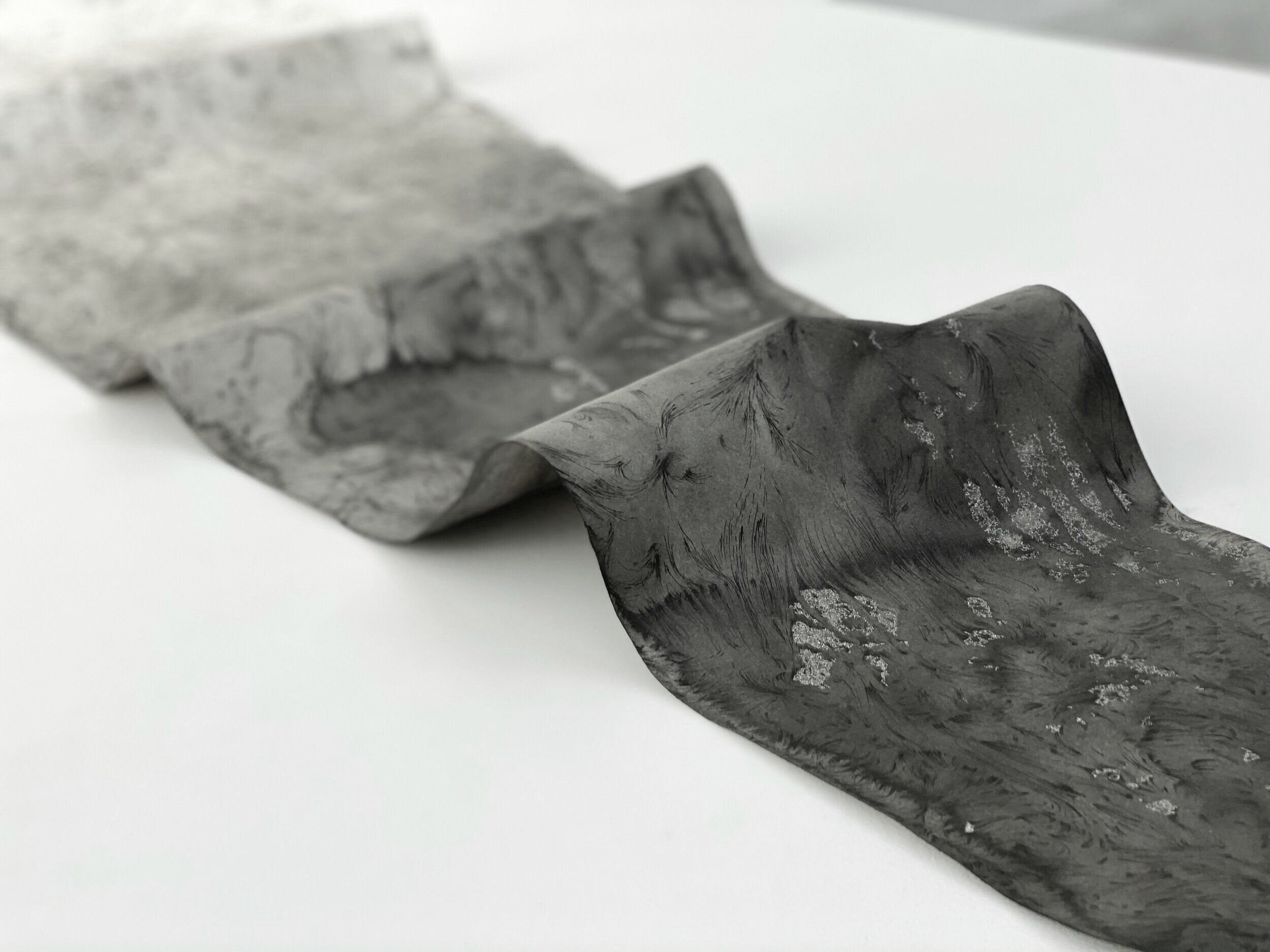
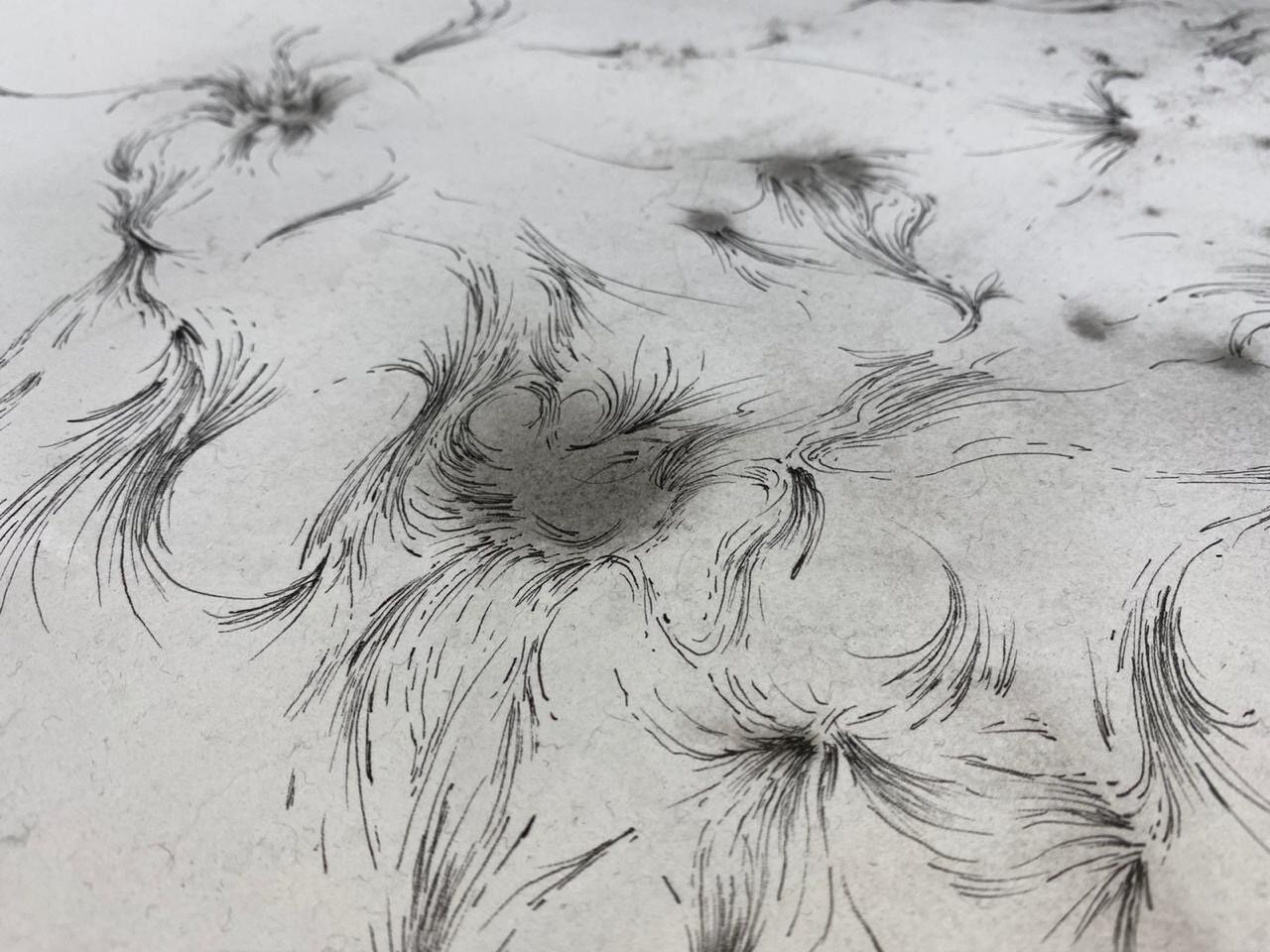
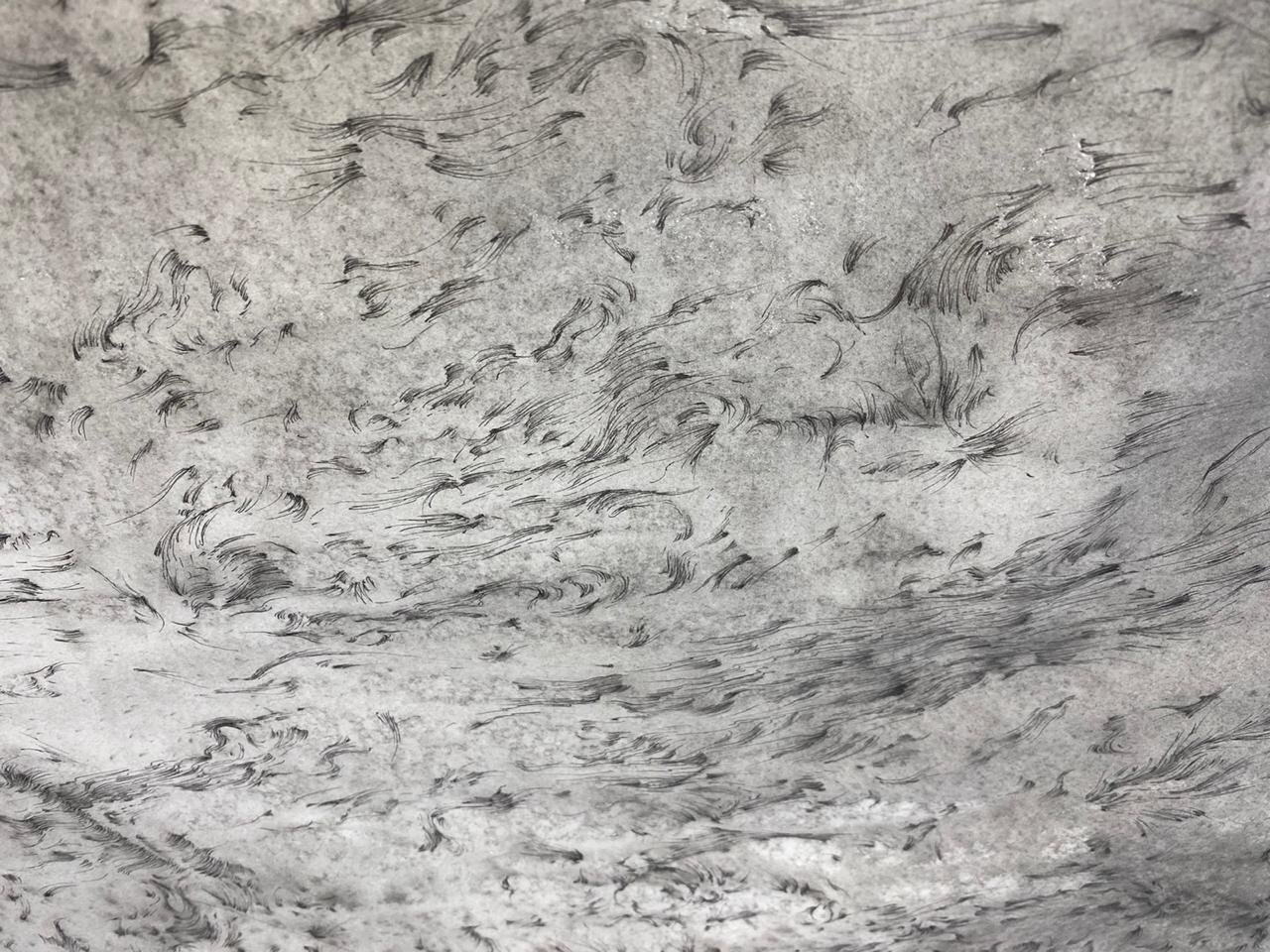
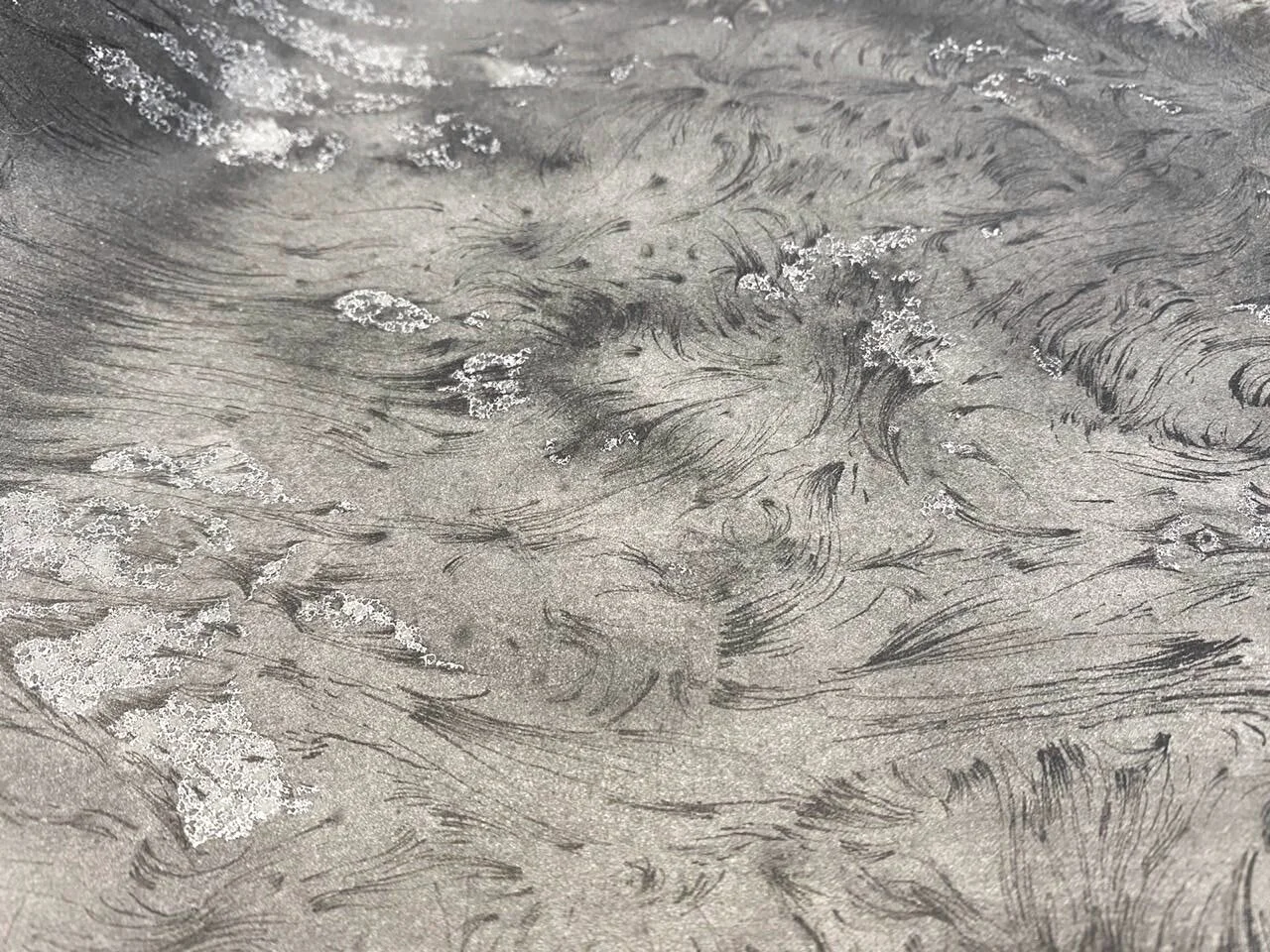
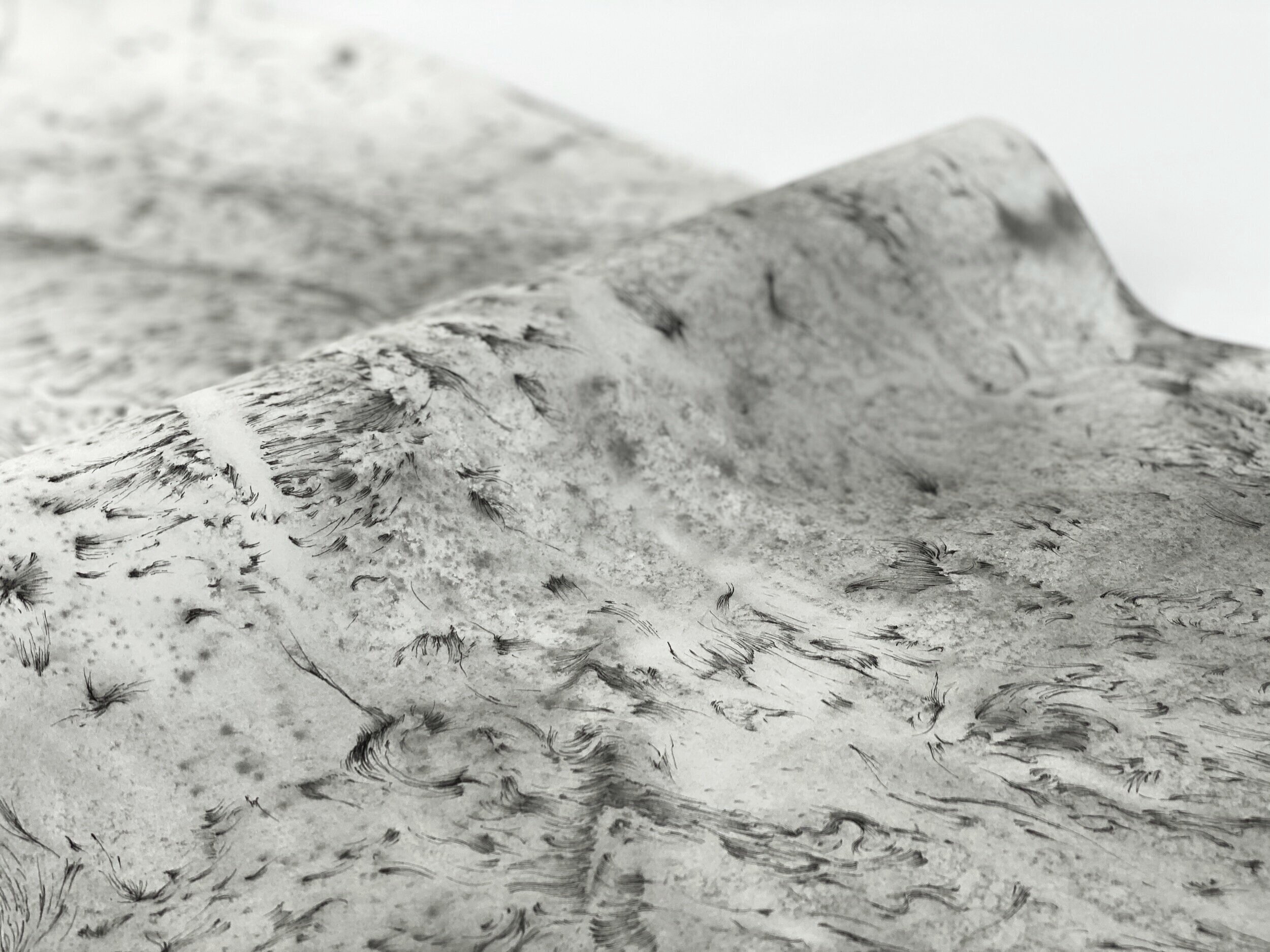
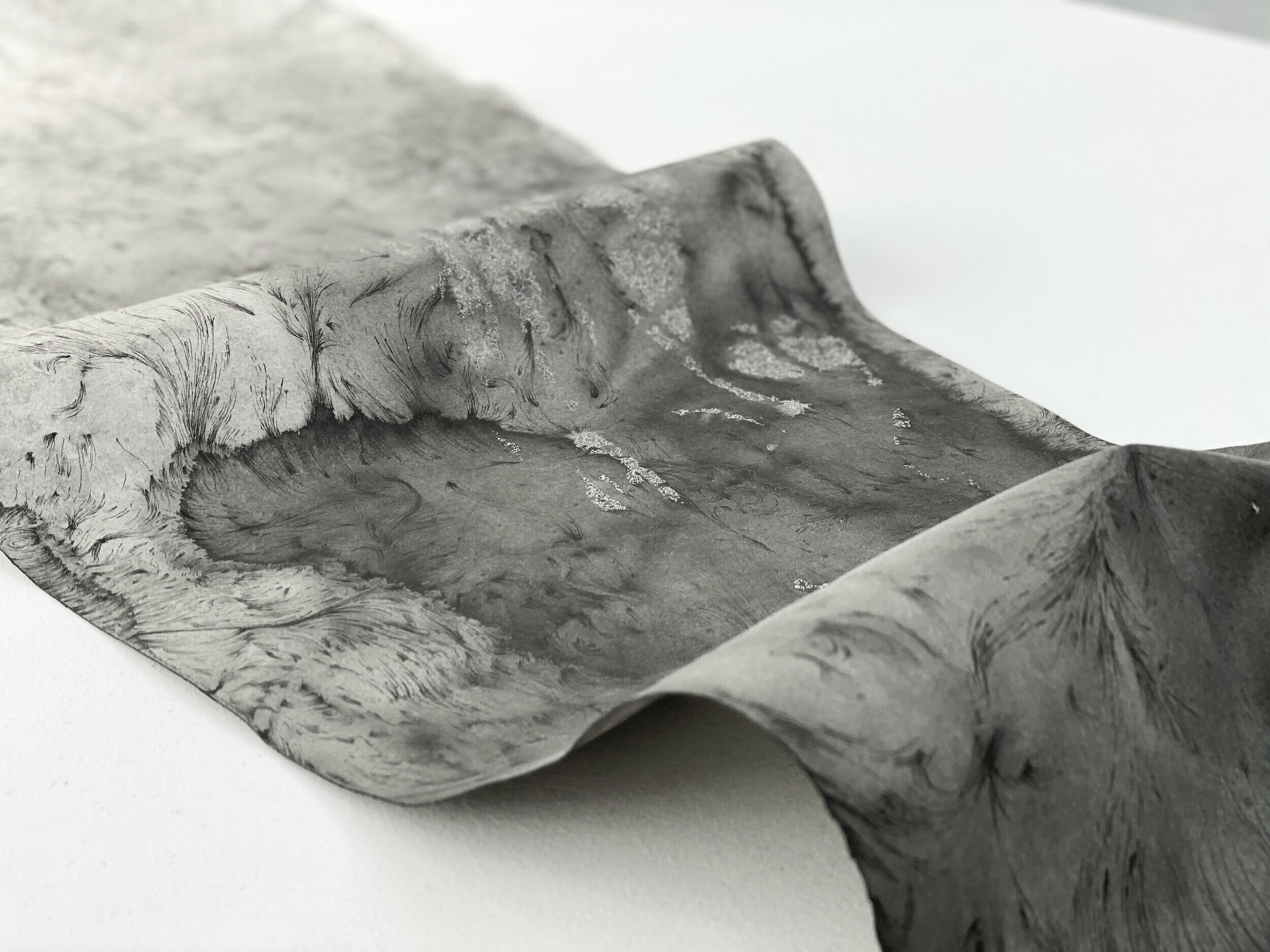
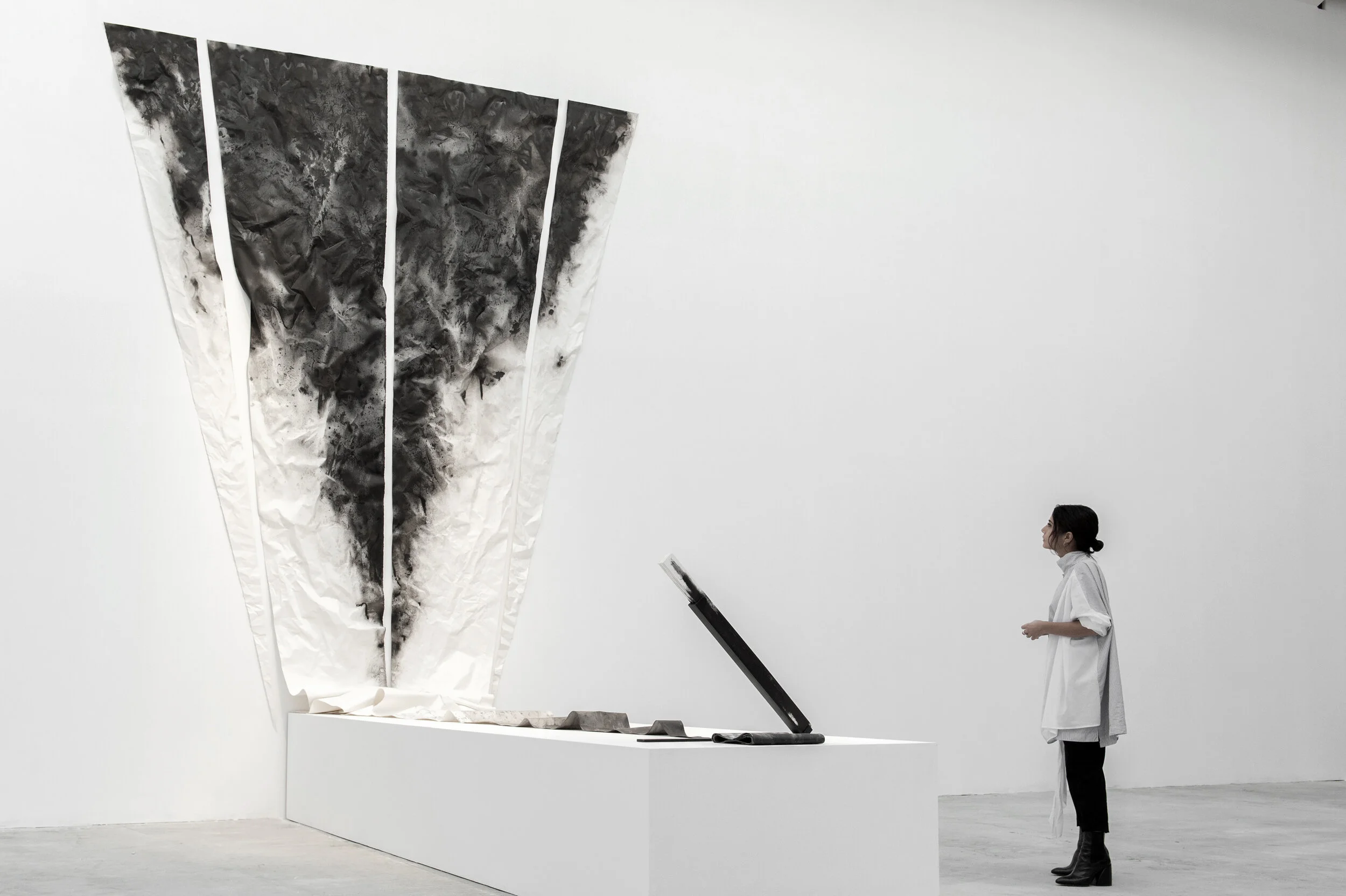
Ink on paper and steel.

Commissioned by the Saudi Art Council for the group show I love you urgently, curated by Maya El Khalil.
The Last Garden of Khidr is the imagined sculptural and illustrative aftermath of a beheading, a contemporary rendition of Khidr, an elusive figure spoken of in Islamic narratives and echoed across many world myths and traditions. The origins of the name are obscure, with roots in Quranic tradition and traces through Western literary and architectural motifs as far back as the medieval age. One reading derives "Khidr" from akhdar (green, in Arabic): "The Green One," or "The Verdant One," from whose head a garden grows.
Shono mines this tradition to explore creative freedom. Aniconism (the avoidance of images of sentient beings in some forms of Islamic art) extends, in stricter interpretations, from God and deities to fictional characters and depictions of the self. Under this uncompromising reading, all living beings and everything that exists fall under a prohibition on the mimicry of life. As a child in Saudi Arabia, Shono recalls, art teachers would instruct students to strike a line through the necks of their drawings, a technical "work-around" to the prohibition. To Shono's mind, this contemporary commandment was a violent act, an attempted beheading of his imagined world and the living creations that dwell within it. "I made a choice from a young age to wield the line to create and not to decapitate," he said.
A beheading becomes a tool to silence the individual who may speak truth to power, and a method of cutting off, at its roots, the social change they might unleash. Khidr — or The Green Man, as he is known in world folklore — endures many decapitations throughout his adventures, yet regrows each time, like a tree. He lives within the same tradition that attempts to decapitate him. The Last Garden of Khidr is the story of those who choose to reclaim their imaginative minds and refuse to be silenced.